
TL;DR
- When choosing an injury triage vendor, don’t just compare response times and features.
- To gauge decision authority, ask:
- Who handles the initial injury call?
- What are the credentialing requirements?
- Can clinicians keep injuries as first aid cases confidently?
- To evaluate care continuity, ask:
- Who follows up with the worker?
- What’s the cadence for follow-up?
- How are missed calls managed?
- To assess referral and network management, ask:
- How is clinical drift prevented after referral?
- How is the loop closed on MSK care and imaging?
- How is your provider network assessed and managed?
- To gauge documentation discipline, ask:
- What does a gold-standard injury note include?
- How is consistency across providers maintained?
- How is employer reporting supported by documentation?
Why Do Most Employers Evaluate Injury Triage Vendors the Wrong Way?
When employers compare injury triage vendors, they typically focus on features such as call centre hours, response times, and reporting dashboards. That is what we have observed at WorkPartners USA since 2007.
Two vendors can offer near-identical dashboards and respond within seconds. One of them can still produce faster return-to-work (RTW) timelines, fewer non-essential clinic visits, and cleaner documentation. That difference comes down to medical decision authority, care continuity, and operational discipline.
This guide provides a practical framework for evaluating injury triage vendors more effectively, covering 12 questions that distinguish a reactive, scripted program from one that is operationally disciplined and physician-led.
How Should You Approach Injury Triage Vendor Conversations to Get Honest Answers?
It’s common for many triage vendors to develop stylish presentations that highlight their services and the tools they use. To get truly helpful answers, though, you need to ask them crucial questions (we will get to these shortly) and request proof, not just promises.
Evidence might include sample clinical documentation, credentialing policies, escalation pathways, referral management workflows, and guidelines for follow-up cadence. Remember; you ideally want a vendor who can handle workplace injuries effectively and end-to-end rather than someone who just directs you to a bigger healthcare ecosystem.
Now, let’s look at the 12 questions grouped into four distinct categories for your convenience.
First Category: How Do You Assess a Vendor’s Decision Authority?
The questions below help you uncover who makes clinical decisions. For example, scripted triage programs involve nurses who stick to algorithm-based protocols. However, programs led by licensed MDs (such as those at WorkPartners, with Dr. Fred Mosley at the helm) incorporate direct medical expertise and oversight, enabling nuanced decision-making.
Q1: Who responds to the injury call?
Ask whether the initial call is handled by a call center operator or a nurse using decision-tree protocols. Or is it a clinician who has the authority to decide the care pathway? The level of medical expertise you access on first contact usually determines whether small injuries get escalated for no reason or not.
Q2: What are the credentialing requirements?
Request that triage vendors explain their standards for credentialing, such as occupational health training, professional licensing requirements, and policies for clinical supervision. Under programs aligned with Occupational Safety and Health Administration (OSHA) standards, clinicians have a clear understanding of workplace injury management and associated rules.
Q3: Can clinicians confidently keep cases in Advanced First Aid?
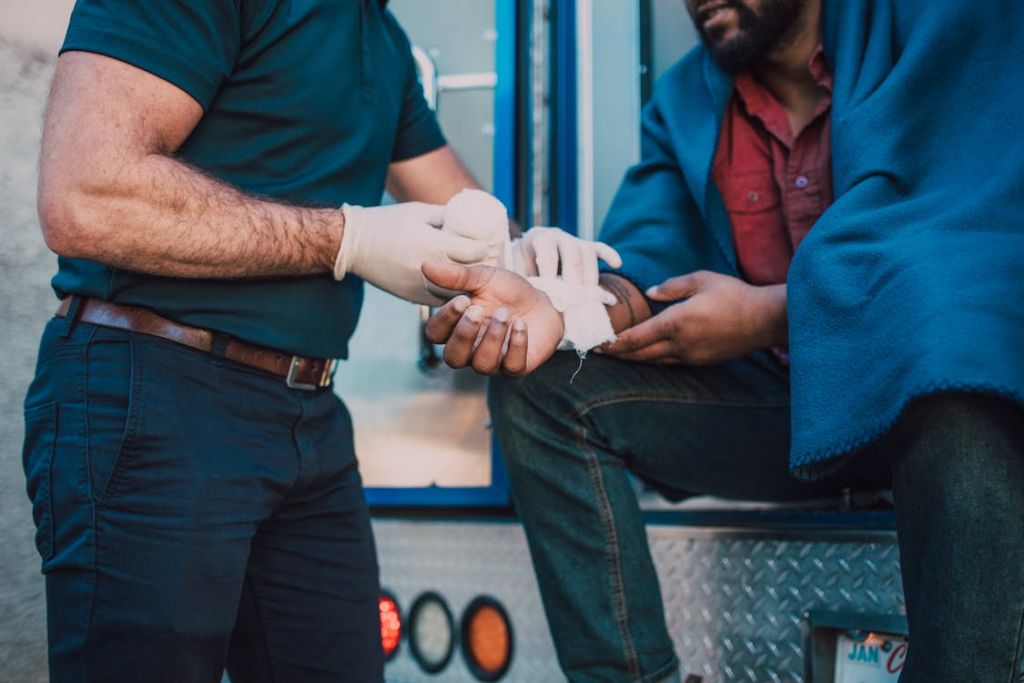
Not every workplace injury needs to be referred to a clinic, and a robust program should be able to manage the right ones with advanced first aid. They should avoid unnecessary escalation through early intervention and monitoring. So, ask vendors how many cases usually stay within first aid and how they make that decision. At WorkPartners, for instance, we can reduce referrals to just 20%.
Second Category: How Do You Evaluate a Vendor’s Care Continuity?
Injury outcomes can suffer even if the first decision is correct. This happens when the case isn’t coordinated well, and workers don’t receive consistent guidance after the initial call.
Q4: Who follows up with the injured employee?
Not all vendors remain involved in a case after the triage call. However, the right ones follow up in a structured manner and maintain oversight. So, ask if the original clinician tracks the case or if another team member handles it. Or does follow-up only happen if the worker calls again? Remember that minor injuries don’t turn into prolonged cases when there’s continuity.
Q5: What is the follow-up cadence?
A well-designed program features defined intervals for follow-up, depending on how severe the injury is. In certain cases, follow-up might occur the same day or after 24 or 48 hours. For ongoing cases, weekly monitoring is a common practice. Essentially, vendors should clearly explain their cadence and how it aids recovery.
Q6: How are unreachable employees or missed calls tackled?
If caseworkers don’t respond to follow-up calls or cannot be reached, ask vendors how they handle the situation. Robust programs generally have multiple modes of communication in place as a solution. They might also attempt document follow-ups for continuity.
Third Category: How Do You Assess Referral and Network Management?
No matter how strong a triage program is, there are times when a worker has to be referred to an external care provider. But how such referrals are handled is important. Cases, when poorly coordinated, can aimlessly drift through specialists and clinics.
Q7: How do you avert clinical drift post-referral?
Care decisions tend to become fragmented when an injured employee navigates the larger healthcare system. So, ask vendors how they ensure oversight of treatment after referrals. Find out how they communicate with other providers, coordinate care, and conduct follow-up.
Q8: How do you close the loop on MSK care and imaging?
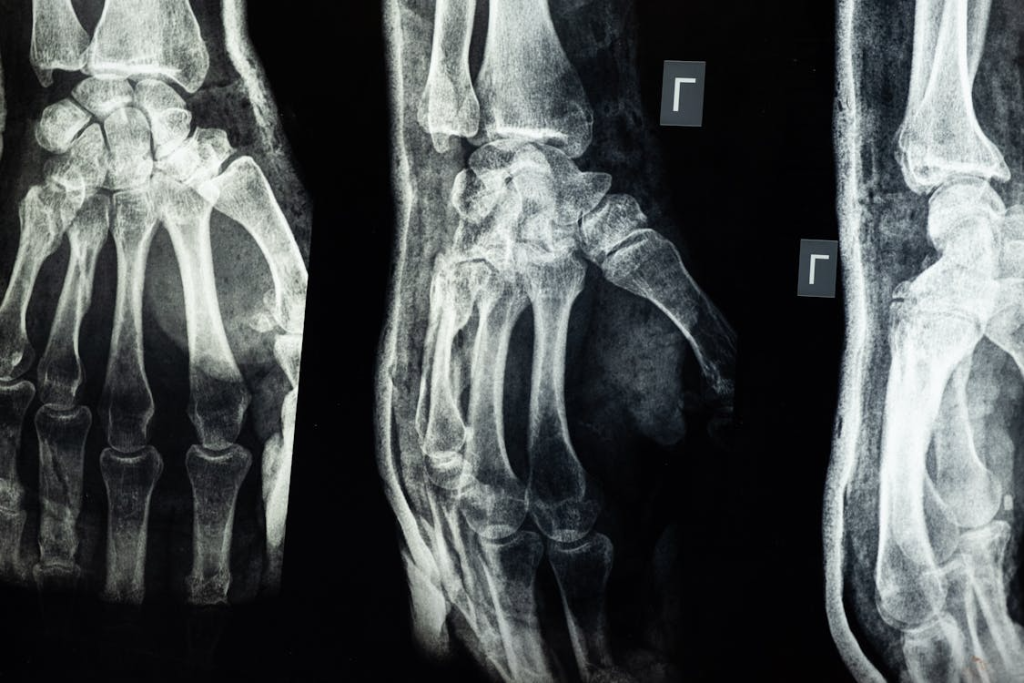
Though many musculoskeletal (MSK) injuries can be addressed with first aid and active recovery support, some might call for imaging or therapy. So, ask vendors how they ensure imaging results are returned to the original clinician.
Also, how do they ensure that therapy plans align with recovery objectives and that treatment doesn’t continue unnecessarily or indefinitely? After all, when coordination is closed-loop, cases don’t drift between providers.
Q9: How do you assess and maintain your provider network?
All vendor networks are not the same in terms of quality. So, find out how providers are chosen, how their performance is tracked, and whether they need to have occupational experience. Networks based on occupational health expertise usually yield more consistent outcomes.
Fourth Category: How Do You Evaluate Documentation Discipline?
Injury management is effective when documentation is complete and consistent. Otherwise, reporting can get complicated, and you might run into compliance issues.
Q10: What is a gold-standard injury note like?
Ask vendors to show you a sample clinical note based on a triage encounter. The note should ideally include a description of the injury, clinical evaluation, care plan, duty restrictions, and follow-up instructions. Clear documentation helps employers and others easily understand subsequent steps.
Q11: How do you maintain consistency across providers?
Documentation must be consistent when multiple clinicians are involved in injury management. So, find out which systems vendors use to standardize documentation. These might include clinical guidelines, templates, or processes for quality review.
Q12: How does documentation help with employer reporting?
When it comes to reporting incidents and conducting internal reviews, safety personnel often depend on triage documentation. Hence, ask vendors how you can use their documentation to understand the status of an injury, monitor recovery progress, and create accurate reports. This will also make it easier to comply with regulatory frameworks.
Why Health, Safety, and Environment (HSE) Leaders Benefit from this Evaluation Framework
As you realize by now, picking the right triage partner isn’t just about getting someone to respond quickly to injuries. It’s about decision authority, continuity of care, referral and network management, and disciplined documentation. In fact, HSE teams benefit too:
- Less Decision Stress: Safety leaders don’t have to make clinical judgment calls or defend them without proper backing.
- Fewer Escalations: The right program minimizes the risk of unexpected developments, so small injuries don’t escalate into leadership problems.
- Better Coordination: HSE teams receive fewer follow-up or clarification requests from supervisors. Documentation cleanup is also minimal at the month’s end.
- Greater Credibility: Safety leaders can justify decisions to HR, finance, and risk teams more confidently.
Also Read: Understanding Nurse Triage and Its Benefits for Employers
Conclusion
On paper, one injury triage vendor can look much like another. The meaningful differences emerge when you look beyond features and response times and start asking who owns the medical decisions. The right vendor maintains clinical authority and accountability throughout the entire case, not just at first contact.
Using the 12 structured questions in this guide provides a framework for making that distinction objectively before you commit to a vendor relationship.
Choose WorkPartners USA for Top-Notch Physician-Led Injury Triage
For close to 20 years, our occupational physicians in Minnesota have been exercising clinical authority, tracking recovery, managing referrals, and planning safe RTW for employers across the region. Our team is available around the clock, and our approach keeps claims from drifting, documentation clean, and compliance straightforward. We also provide a comparison scorecard based on these 12 questions to support your evaluation process.
To schedule a structured comparison call, contact us at (651) 323-8654 or info@workpartnersusa.com.
FAQs
Q1. Is it enough to pick an injury triage vendor who responds quickly?
Ans. No, you must also check who has clinical decision-making authority, can maintain care continuity, properly manage referrals, and keep documentation consistent.
Q2. Can I ask triage vendors to provide evidence of their work before making a choice?
Ans. You can and should. Ask for proofs such as credentialing policies, sample clinical documentation, referral management workflows, and escalation pathways.
Q3. What questions should I ask to assess a triage vendor’s decision authority?
Ans. Find out who answers the injury call, what credentialing requirements are in place, and if clinicians can keep cases as advanced first aid events confidently.
Q4. Do all triage vendors follow up with injured workers?
Ans. No, they don’t. Some might only follow up if an injured employee calls again. But the right vendors have a structured process to maintain oversight. Either the original clinician follows up, or another team member is assigned.
Q5. What details should an injury note include after a triage encounter?
Ans. It should include injury description, medical assessment, care plan, restrictions on duty, and follow-up instructions.