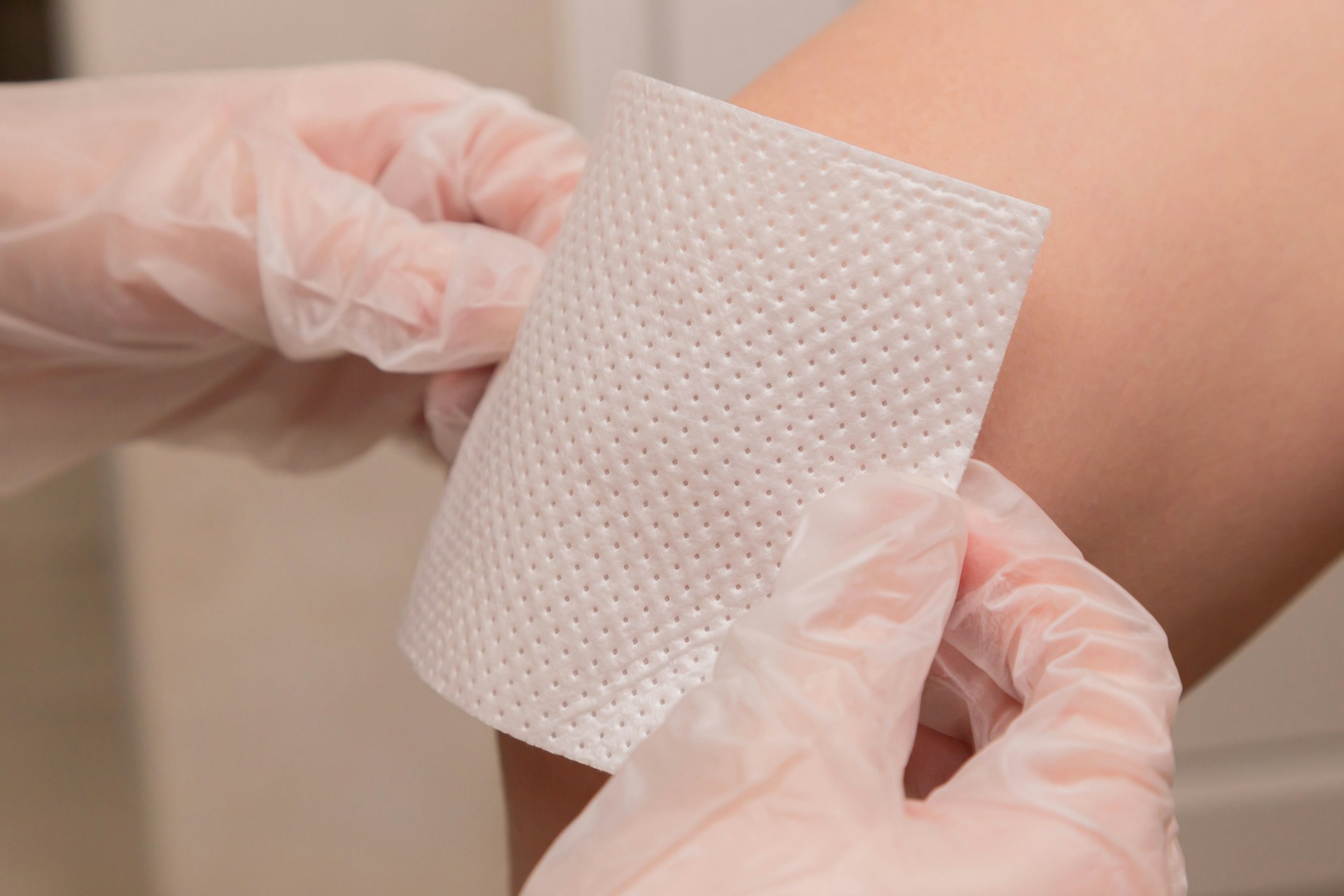
A couple of years ago, private sector companies in the U.S. saw around 2.6 million work-related, nonfatal injuries and disorders. And 946,500 instances called for days away from work (DAFW). It goes to show that not all injuries are major or serious. Many common workplace injuries are minor, don’t require an expensive emergency room (ER) visit, and are not deemed recordable as per the Occupational Safety and Health Administration (OSHA). And as an employer, you need a clear understanding of the same to ensure maximum possible compliance with OSHA standards, avoid unnecessary penalties, and address non-hospital workplace injuries onsite and at the earliest.
So, let’s learn more about minor injuries and their impact, which ones don’t require emergency care, how to stay prepared with first aid, and how to document such injuries.
Understanding Minor Workplace Injuries and Their Impact
Common workplace injuries usually involve minor cuts, burns, strains, etc., and they are impossible to avoid, no matter how many precautions you adopt. While they don’t require hospital visits or lead to serious illnesses, disabilities, or deaths, minor injuries can impact a worker’s safety, well-being, and productivity.
If the injuries are not treated promptly, their job satisfaction and quality of work suffer. Minor injuries might also cause operational interruptions (even if not for long) and delivery delays. Also, even the simplest of injuries can assume serious proportions if ignored. You might have to deal with extended absenteeism, large workers’ compensation costs, unnecessary OSHA records, and even legal hassles.
Hence, this workplace injury guide explains which injuries can be considered minor and treated with first aid so they don’t become major concerns.
Common On-the-Job Injuries That Don’t Need Emergency Care

When it comes to any work-related injury, deciding when to treat in-house vs. sending to a clinic can be tricky. So, refer to this list of injuries that are deemed as minor (and non-recordable) by OSHA if they need only first aid treatment and no medical intervention beyond that:
- Cuts, Punctures, Lacerations, Abrasions: These are minor and common workplace injuries. You can clean or flush them, soak the surface wounds, or use gauze pads, bandages, Band-Aids, etc.
- Sprains, Strains, Dislocations: If you can treat these with hot and cold therapy, wraps, elastic bandages, finger guards, or non-rigid back belts, they are considered minor. Neck collars, splints, slings, and backboards are also allowed.
- Splinters: If it is possible to remove splinters safely with tweezers, irrigation, or cotton swabs, such an injury is considered minor.
- Burns, Blisters, Skin Rashes: Blisters, burns, and skin rashes are minor injuries that can be effectively handled with basic first aid, including fluid draining.
- Bruises or Contusions: These are deemed minor if you can tackle them with hot or cold therapy and soaking therapy.
- Loss of Consciousness: If it’s a short episode, occurs due to a personal health reason, and requires only basic first aid, the loss of consciousness is considered minor.
If any of the above injuries require surgical intervention, physical therapy that doesn’t just target soft tissues, diagnostic tests, days away from work, etc., they are generally considered major.
First Aid Solutions Every Employer Should Have Ready

In line with the American National Standards Institute (ANSI) guidelines, your first aid kits must have the following at least to deal with common workplace injuries:
- Essential Items: Adhesive bandages in different sizes, adhesive tape, antiseptic wipes, antibiotic ointment, first-aid guide, and sterile gauze and pads
- Personal Protective Equipment (PPE): Breathing barriers in case of resuscitation, gloves, solution for eyewash
- Supplies for Injury Treatment: Roller bandages, cold packs, dressings for burns, trauma pads
- Basic Tools: Splints, scissors, tourniquets, triangular bandages
Depending on your specific industry or business nature, you might need additional PPE, bleeding control kits, special burn care items, etc.
How to Document and Monitor Minor Workplace Injuries
No matter how minor the injury, documenting and monitoring it is crucial to ensure the affected worker gets necessary medical attention and that you take strategic steps to enhance workplace safety. Here’s what to do:
- You should obtain essential details right after the incident, including the location, date, and time, the name of the employee injured, any others involved, and witnesses.
- Note what happened before, during, and after the incident in a chronological manner. Jot down details of the work environment, materials and machines used, and tasks undertaken.
- Based on the information collected, identify factors that might have caused the incident.
- Document the common workplace injuries sustained and any damage done to equipment or property. Note which body part is affected, and any first aid treatment administered.
- Collect evidence (preferably photographic) based on the scene and associated hazards to substantiate the incident report.
- Jot down the actions taken right after the injury, like containment measures, first aid provided, emergency services alerted, etc.
- Ensure the report is accurate, complete, easy to understand, and devoid of personal biases.
- Share the report with the relevant authority in your organization and carry out corrective measures to minimize the future possibility of such events.
Minimizing the Possibility of Common Workplace Injuries

Following even basic workplace safety tips can help prevent common or minor injuries.
- Training Employees: Teach proper equipment handling and safety protocol.
- Hazard Identification: Conduct regular site audits.
- Using the Right PPE: Hard hats, gloves, boots, goggles, etc.
- Promoting Reporting Culture: Encourage near-miss and injury reports without fear.
- Fatigue Management: Rotate tasks and manage workload.
Medical phone triage and Workers’ Comp telemedicine services also offer 24/7 support from licensed physicians, ensuring the injury is evaluated and treated early, even after hours.
Preventing Small Injuries from Becoming Big Problems
While focusing on injury prevention at work is non-negotiable, you must also know what to do immediately if a worker suffers a minor accident. Early intervention can ensure effective treatment and help employees resume their duties soon. Otherwise, you must deal with long absences, business disruptions, low output, and financial losses (healthcare and workers’ compensation costs).
If injured employees don’t feel valued, you might have trouble retaining them and maintaining your reputation as an employer. Non-compliance with OSHA standards can also make a poor impression on your investors and clients in the long run.
Hence, even for the most minor injuries, avail 24/7 medical phone triage services. Contact a licensed, experienced occupational physician who can assess the injury over the phone or via video call and decide whether it can be treated onsite or needs an ER visit.
In most scenarios, they prescribe relevant medicines and first aid instructions to address minor injuries and even track patient recovery.
Conclusion
By now, you should know all about non-hospital workplace injuries, why they need to be addressed promptly, which first aid solutions to keep close at hand, and how to document such injuries. You should also be aware of the ways to prevent them and how leveraging doctor-led medical phone triage can keep these small issues from blowing up.
Prevent and Address Common Workplace Injuries with WorkPartners USA
At WorkPartners, we know how every hospital visit can hamper your OSHA compliance. Hence, our knowledgeable MDs suggest tailored onsite treatment plans for minor injuries that benefit you in multiple ways.
As a leading injury prevention specialist in St. Paul, MN, we provide Post-Offer Employment Testing (POET) services that help you recruit the best fit for their roles. Additionally, with (modONE™), our safety engagement solution, you can streamline safety training and boost workplace engagement.
Get in touch if you want to know more about OSHA regulations. Contact us at info@workpartnersusa.com or give us a call at (800) 359-5020.