Key Takeaways
- OSHA Focus Four Hazards in the construction sector are:
- falls
- struck-by incidents
- caught-in/caught-between incidents
- electrocutions.
- Proper planning, controls, training, and supervision can prevent these hazards.
- Other common hazards include heat, noise, mental stress, silica dust, etc.
- Prevention tips include:
- Hazard analysis
- Regular safety training
- Everyday site inspection
- Encouragement for employee reporting
- Technology
- Partnership with occupational health services provider
Decoding OSHA Focus Four Hazards for the Construction Sector
Did you know that construction is the sector with the highest number of workplace fatalities in the United States? In Minnesota and across the Midwest, construction employers regularly reach out to WorkPartners USA with questions about how to address the risks that drive those numbers.
At the center of those conversations are OSHA Focus Four Hazards, the four categories of incidents that OSHA has identified as responsible for the overwhelming majority of construction deaths. OSHA continues to prioritize these hazards in its enforcement activities, training programs, and inspection protocols because the evidence is clear: they are both highly prevalent and highly preventable.
For construction employers, understanding OSHA construction hazards is not just about regulatory compliance. It is about protecting workers, controlling workers’ comp costs, minimizing project delays, and maintaining the kind of reputation that wins future work.
What Are the OSHA Focus Four Hazards?

These are essentially the four key causes behind construction industry fatalities, including:
| Hazard | What It Involves |
| Falls | Workers falling from height during roofing, scaffolding, ladder work, or steel erection |
| Struck-by incidents | Workers hit by falling objects, moving vehicles, flying debris, or swinging equipment |
| Caught-in/caught-between incidents | Workers crushed, compressed, or trapped by machinery, equipment, or collapsed excavations |
| Electrocutions | Contact with energized equipment, overhead power lines, or faulty electrical installations |
All of the above can be largely prevented with the right controls and planning in place. That’s why OSHA’s inspection, enforcement, and training activities make these risks a priority on an ongoing basis.
As an employer, you must ensure that all your job site safety initiatives address the OSHA Focus Four Hazards.
How Do You Prevent OSHA’s Four Hazards at Worksites?
OSHA asks employers to consistently focus on these four hazards because they can reduce the risk of serious injuries through preventive measures. Constant supervision, effective safety controls, and proper employee training can go a long way.
Recently, projects involving scaffolding, roofing, electrical work, and excavation have been particularly targeted by OSHA during inspections.
Here’s a closer look at the focus hazards in the construction industry and preventive hacks that can help:
- Falls
Around 47% of accidents in the construction sector occur due to falls. Hazards range from ladders, scaffolding, and roof work to elevated platforms, floor openings, and steel erections. However, for OSHA fall protection in construction, you can leverage:
- Personal fall arrest systems
- Guardrails along elevated work areas
- Properly selected, inspected, and maintained ladders
- Safety nets where appropriate
- Regular scaffold inspections before use
- Consistent worker training on fall protection systems
Usually, anyone working at a height of at least 6 feet above a lower level requires fall protection, in accordance with OSHA. You should also regularly ensure that fall protection systems are used correctly and are in good condition.
- Struck-By Hazards
Workers are at risk of being hit by falling tools and materials, vehicles reversing on site, crane loads, flying debris from cutting or grinding, and improperly secured equipment.
For prevention, you can begin:
- Establishing clearly marked exclusion zones around active machinery
- Using trained spotters for heavy equipment and crane operations
- Enforcing high-visibility clothing requirements across the site
- Securing all materials and tools stored or used at height
- Maintaining clear communication protocols between crews
- Caught-In/Caught-Between Hazards
This category covers situations where workers are crushed, compressed, squeezed, or trapped by machinery, equipment rollovers, or collapsed trenches. Trench collapses in particular are frequently fatal. This hazard type accounts for over 5% of all construction worker deaths nationally.
Key OSHA construction safety requirements for prevention include:
- Lockout/tagout procedures for all machinery and powered equipment
- Machine guarding on moving parts
- Trench protective systems, including sloping, shoring, or shielding
- Secure excavation practices with daily inspection
- Equipment exclusion zones around active digging or lifting operations
- Electrocutions
Damaged extension cords, improper grounding, and energized equipment often trigger electrocution incidents in the construction sector. Contact with overhead power lines or temporary electrical installations might cause accidents too.
These controls can help prevent them:
- Lockout/tagout procedures before any electrical work begins
- Ground-fault circuit interrupters (GFCIs) on all temporary power sources
- Maintaining safe clearance distances from overhead power lines
- Regular electrical inspections throughout the project
- Assigning qualified workers to all electrical tasks
Other Common Hazards
While not part of the OSHA Focus Four Hazards, several additional hazards in construction industry settings cause significant injury, illness, and lost productivity. These deserve ongoing attention alongside the four primary categories.
- Silica dust from cutting, grinding, or drilling concrete and masonry
- Heat stress during summer months, particularly on outdoor sites across the Midwest
- Noise exposure affects more than 50% of construction workers, with over 7% developing tinnitus
- Chemical hazards from adhesives, solvents, and coatings
- Fatigue and mental stress from long shifts, tight deadlines, and physically demanding work
Also Read: How Safety Protocols Improve Employee Productivity and Health
How Do You Build an Effective Injury Prevention Program at Work?
Consider adopting these best practices to avert major and other hazards in the construction industry:
Analyze Hazards Associated with Every Job
Before work commences, assess each task to identify potential hazards. Figure out what kind of personal protective equipment (PPE), controls, and emergency procedures are required.
Provide Safety Training Continuously (Not Just at Onboarding)
Safety training should be ongoing and cover OSHA construction hazards specific to each work type, including fall protection, equipment operation, excavation practices, electrical safety, and hazard reporting. New hazards introduced by changing site conditions require updated training.
Inspect Sites Daily
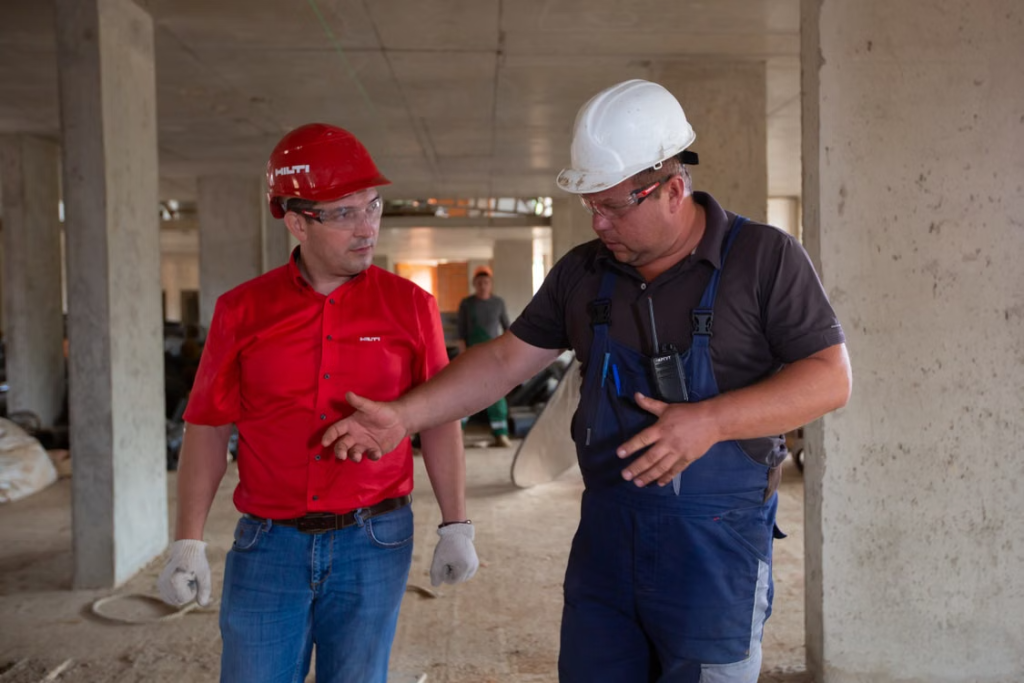
Get supervisors to inspect scaffolds, ladders, excavations, and electrical equipment. They should also ensure proper housekeeping and check fall protection systems. When fixed promptly, hazards don’t turn into serious incidents.
Encourage Employees to Report
Workers are often the first to notice developing hazards. Build an environment where raising concerns is recognized and encouraged, not discouraged. Retaliation for safety reporting is not only counterproductive but also a compliance risk in itself.
Leverage Technology
Modern tools that support construction safety programs include:
- Wearable monitoring devices that track fatigue, heart rate, and heat exposure
- Mobile apps for real-time incident reporting and digital safety checklists
- Drone site inspections for hard-to-reach or high-risk areas
- AI-powered systems for proactive risk identification
Partner with an Occupational Health Services Provider
Even the strongest prevention program does not eliminate all incidents. Having a partner like WorkPartners USA in your corner means that when something does happen, the response is fast, clinical, and controlled. Our physician-led team keeps up to 90% of appropriate cases within first aid, reducing unnecessary ER visits, keeping OSHA recordables down, and getting workers on the path to recovery without delay.
Also Read: Handy OSHA Compliance Guide for Workplace Safety
Conclusion
OSHA’s Focus Four Hazards are the leading causes of construction fatalities, but they are also among the most preventable. A combination of proactive hazard analysis, consistent training, daily site inspection, a strong reporting culture, and smart use of technology addresses the vast majority of risk before it becomes an incident.
Choose WorkPartners USA for a Safer and More Productive Construction Site
Strong Focus Four Hazards programs can help prevent serious injuries, boost employee morale and productivity, and minimize project delays. The licensed physicians at WorkPartners in Minnesota are available around the clock to assess injuries remotely, recommend the right level of care, manage recovery, and support return to work, keeping costs and recordables controlled throughout.
For inquiries, reach us at (651) 323-8654 or info@workpartnersusa.com.
FAQs
OSHA Focus Four Hazards might increase recordables if an injury needs treatment beyond first aid.
Even though noise exposure is not among the four focus hazards in the construction sector, it can be a major risk. That’s because over 50% of workers are excessively exposed to noise, and more than 7% suffer from tinnitus.
Wearable devices can prevent construction site accidents by monitoring workers’ health parameters such as body temperature, heart rate, and exhaustion level. They can send alerts in case of palpitations, dizziness, or no movement.
Yes, improving construction site safety can get you better projects. That’s because prospective clients will see you as a business that’s serious about OSHA compliance, worker wellbeing, and operational continuity.
Yes, the risk of falls might increase in bad weather owing to slippery surfaces from rain, ice, or snow. Excess heat might also cause fatigue and dizziness in workers and increase the possibility of falls.