TL;DR
- Injuries (especially from trips, falls, and slips) and fatalities are common in the construction industry. Hence, you must take safety more seriously than ever.
- Common construction site risks include falls, struck-by incidents, electrocution, heat, etc.
- 10 essential safety tips include:
- PPE usage
- Fall protection measures
- Clear hazard communication
- Proper training
- Clean worksite
- Machine maintenance
- Regular audits
- Emergency plans
- Medical triage
- Safety-first culture
- Benefits of improving construction site safety include better productivity, lower costs, improved compliance, enhanced reputation, etc.
Address Common Worksite Risks
Construction site safety has always been and will always be crucial. Just a few years ago, construction accounted for nearly 21% of all workplace fatalities, and almost half of all fatal slips, trips, and falls occurred in this industry alone.
Even with better training, smarter technology, and improved safety protocols, construction continues to face high rates of injuries and life-threatening incidents. That’s why employers must stay alert, understand the most common risks, and put strong safety practices in place.
In this guide, we’ll break down the biggest hazards to watch for, practical construction site safety tips, and the real benefits of making safety a priority. By committing to safer worksites, you protect your team, strengthen compliance, and support long-term business success.
Common Construction Site Risks
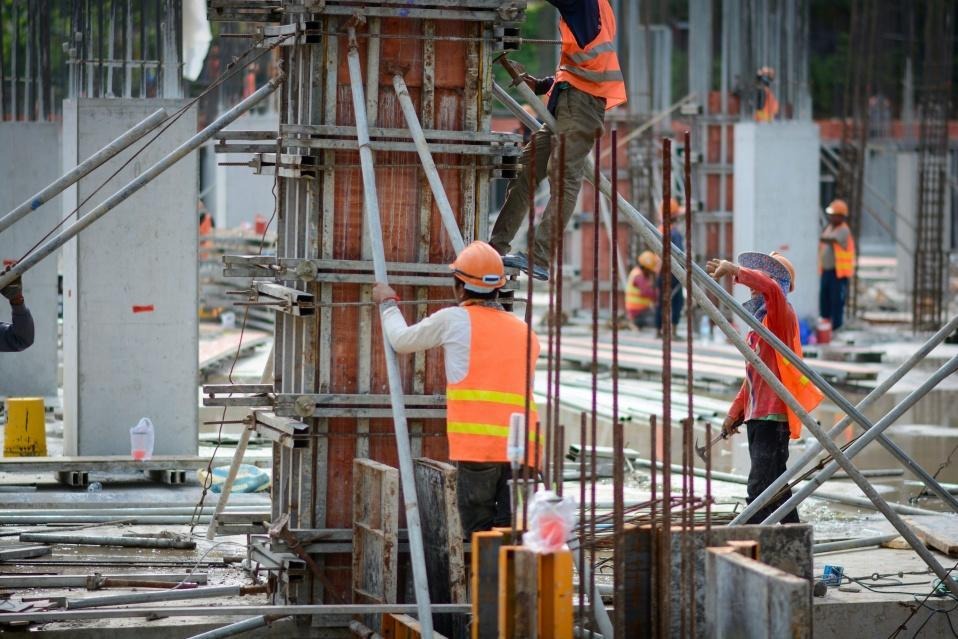
The following hazards often impact construction site safety:
- Falls: Falls from ladders, roofs, scaffolds, or other elevated platforms commonly lead to injuries and deaths.
- Struck-By Incidents: Workers sustain injuries when struck by falling objects, tools, moving equipment, such as forklifts, or moving vehicles, such as trucks.
- Machinery Accidents: Operating a machine improperly or working with equipment that’s poorly maintained can trigger major accidents.
- Electrocution: Exposed wires, overhead power lines, and improper tag-outs or lockouts can spark electrocution-related injuries.
- Hazardous Chemicals: Being exposed to dust, paints, adhesives, and solvents can cause skin and respiratory problems.
- Heat: Working in extremely sunny or hot conditions can lead to heatstroke, exhaustion, or dehydration.
- Fatigue: Construction workers usually have physically demanding jobs and long shifts. Hence, they might make preventable mistakes or become careless about safety at times.
- Others: Getting pinned in between or under heavy objects or materials, or stuck in a trench collapse can trigger critical injuries too.
10 Construction Site Safety Tips You Cannot Ignore
Now that you have a fair idea about usual risks, follow these tips to maintain construction site safety effectively:
1. Supply PPE and Make Usage Compulsory
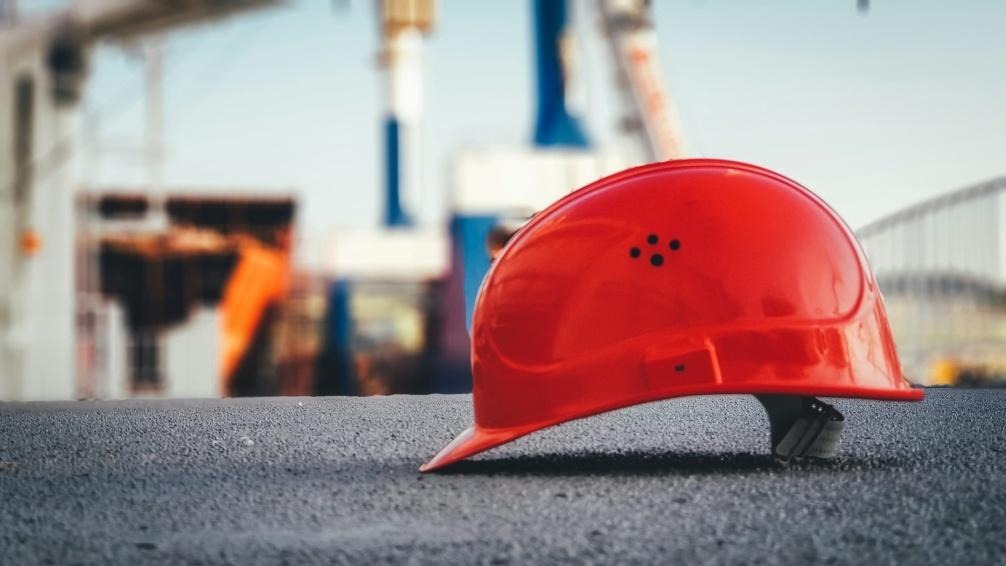
Ensure all workers have access to personal protective equipment (PPE) and that supervisors enforce its use. Such protective gear usually includes safety boots with steel toes, hard hats, gloves, safety goggles, and clothing that is easily visible. Inspect the PPE regularly and replace worn items promptly.
2. Implement Measures for Fall Protection
Introduce construction site safety equipment, such as fall arrest systems, guardrails, and safety nets, for any work performed at 6 feet or higher. Make sure ladders are set up properly so there’s no scope for the base slipping or the ladder tipping. Moreover, only trained personnel should assemble and inspect scaffolds and make modifications if required.
3. Communicate Hazards Clearly
Proper labels should be used to indicate hazardous chemicals, and high-risk zones must be demarcated with color-coded markings and signage. Ensure workers are briefed daily, and safety data sheets are maintained regularly, too.
4. Provide Proper Training
Train employees to recognize hazards, operate equipment safely, use PPE properly, and tag out or lock out the right way. They should also know what to do in an emergency and how to use first-aid kits. Also, allow only certified operators to use heavy machinery. Organize training periodically so workers stay up to date on the latest tips and tricks.
5. Keep the Worksite Clean
Keeping everything clean and organized can go a long way in improving construction site safety. Ensure walkways aren’t cluttered, everything is stored in designated areas, and waste is disposed of without delay. This can prevent trips, slips, and falls.
6. Focus on Machine Maintenance
Inspect machines and tools regularly and watch out for malfunctioning controls, frayed cords, or broken guardrails. Practice preventive maintenance and repairs, so that workers don’t get hurt unnecessarily, and downtime is minimized too.
7. Conduct Audits Regularly
A construction site safety audit is a routine check that helps evaluate the safety measures in place as well as any potential risks, like incorrect PPE use, exposed wires, or unstable structures. Observations are recorded during audits, and suitable corrective actions are taken.
8. Establish Emergency Plans
Emergency preparedness is a key construction site safety topic because you can never completely foresee adverse weather conditions, chemical spills, or fire hazards. In such situations, workers should know about assembly points and escape pathways. You should also have a proper evacuation plan and ensure first-aid kits are well-stocked.
9. Avail Remote Medical Triage
Despite the best safety precautions, incidents and injuries can still happen in the construction industry. As a solution, partner with a reliable provider of doctor-led remote triage services to ensure affected workers receive prompt medical attention. Occupational physicians can assess injuries via video or phone calls, share first aid instructions, prescribe medicines, or suggest emergency room (ER) visits if required.
Foster a Safety-First Culture
Safety should be a priority at all levels of your organization. Encourage workers to take breaks, stay hydrated, and report concerns or hazards without fearing retaliation. Recognize safety-first behavior, ask everyone to share suggestions for improvement, and ensure leaders participate in relevant programs and are held accountable.
10. Construction Site Safety Benefits
There are multiple benefits of implementing the above safety tips at construction sites:
- Fewer Accidents: Improving site safety reduces accidents, injuries, and fatalities. There is an uptick in worker health and wellness, and projects run smoothly.
- Better Compliance: Fewer recordable incidents and ER visits mean better compliance with the Occupational Safety and Health Administration (OSHA) and other regulatory entities. You also avoid expensive penalties.
- Lower Costs: Better site safety means you spend less on hospital bills and workers’ compensation. When operational interruptions are minimal, you minimize delay-related costs.
- Improved Productivity: When workers are safe, they can give their best, increasing overall site productivity. Organized environments without hazards and clutter also help drive overall efficiency.
- Easier Retention: Workers are more likely to continue working with your company when they know you take their safety seriously. Better retention also implies improved business continuity and reduced talent replacement cost.
- Enhanced Reputation: Improving construction site safety can positively impact how partners, vendors, and clients view your brand. Better brand image means you get more business and forge lucrative relationships that last long.
Also Read: Common Carpentry Injuries and Prevention Tips
Conclusion
By putting these construction site safety tips into practice, you can significantly reduce the most common workplace incidents, from slips and falls to chemical exposure and heat-related emergencies. Strengthening safety not only protects your workers but also supports OSHA compliance, lowers operational costs, boosts productivity, and reinforces your company’s reputation.
The key is commitment. When every level of the organization embraces a safety-first mindset and partners with a trusted triage service provider, you create a work environment where people feel protected, valued, and empowered to do their best work.
Choose WorkPartners USA for Better Construction Site Safety
At WorkPartners, we assist you in preventing and managing incidents on construction sites. Our post-offer employment testing and modONE™ software help ensure that new hires are physically fit for their roles and actively engaged. Additionally, our licensed medical doctors are available to address injuries on-site, reduce emergency room visits, and speed up worker recovery.
Get in touch for more information.
Call us: (651) 323-8654. Email: info@workpartnersusa.com.
FAQs
Q1. What are some common injuries that can happen at construction sites?
Ans. Sprains, cuts, burns, and fractures are some common injuries workers face in the construction sector.
Q2. How often should safety training be held at construction sites?
Ans. Organize safety trainings at least once a year. You should also do it after major incidents or when safety protocols change.
Q3. How does medical triage help with OSHA compliance in the construction industry?
Ans. Workers receive immediate medical attention through remote doctor-led triage, ensuring injuries are treated promptly and minimizing ER visits. The fewer recordable incidents there are, the better your OSHA compliance will be.
Q4. What is the best way to prevent falls at worksites?
Ans. Ensure that safety harnesses, nets, and guardrails are used for fall protection. Additionally, confirm that scaffolds are properly assembled and ladders are set up safely.
Q5. Is it necessary to conduct safety audits?
Ans. Regular audits are crucial because they help improve safety proactively and address potential hazards before injuries occur.