TL;DR
- Violating OSHA workplace safety standards can negatively impact employee well-being, business operations, your financial health, and your brand reputation.
- In 2026, the top 10 OSHA violations include fall protection, ladders, hazard communication, machine guarding, lockout/tagout, etc.
- To ensure a stronger safety culture at work, you can:
- Audit Hazards
- Prioritize training
- Empower employees
- Take a preventive stance
- Document processes and policies
- Monitor risky equipment
- Focus on new hires
- Leverage technology
OSHA Violations in 2026: Why They Matter and What to Do
Regardless of the industry you operate in, complying with the Occupational Safety and Health Administration’s (OSHA’s) standards in the workplace is essential. Besides ensuring worker well-being and business continuity, it helps you control healthcare and compensation costs, prevent fines and lawsuits, and protect brand reputation. Yet, OSHA violations happen.
And every year, OSHA publishes a list of the most frequently cited safety standards. Being aware of these lists can make you more cautious about hazards that continue to trigger injuries and require action.
This write-up focuses on the OSHA violations 2026 list, so you can adopt preventive measures for the year ahead and prioritize compliance. Understanding the latest violations will help you train employees more effectively, allocate resources more strategically, and minimize untoward incidents.
OSHA Top 10 Violations in 2026
As of now, these are the OSHA latest safety violations listed as per the number of citations (decreasing order):
- Fall Protection – General Requirements (1926.501) – 5914 citations
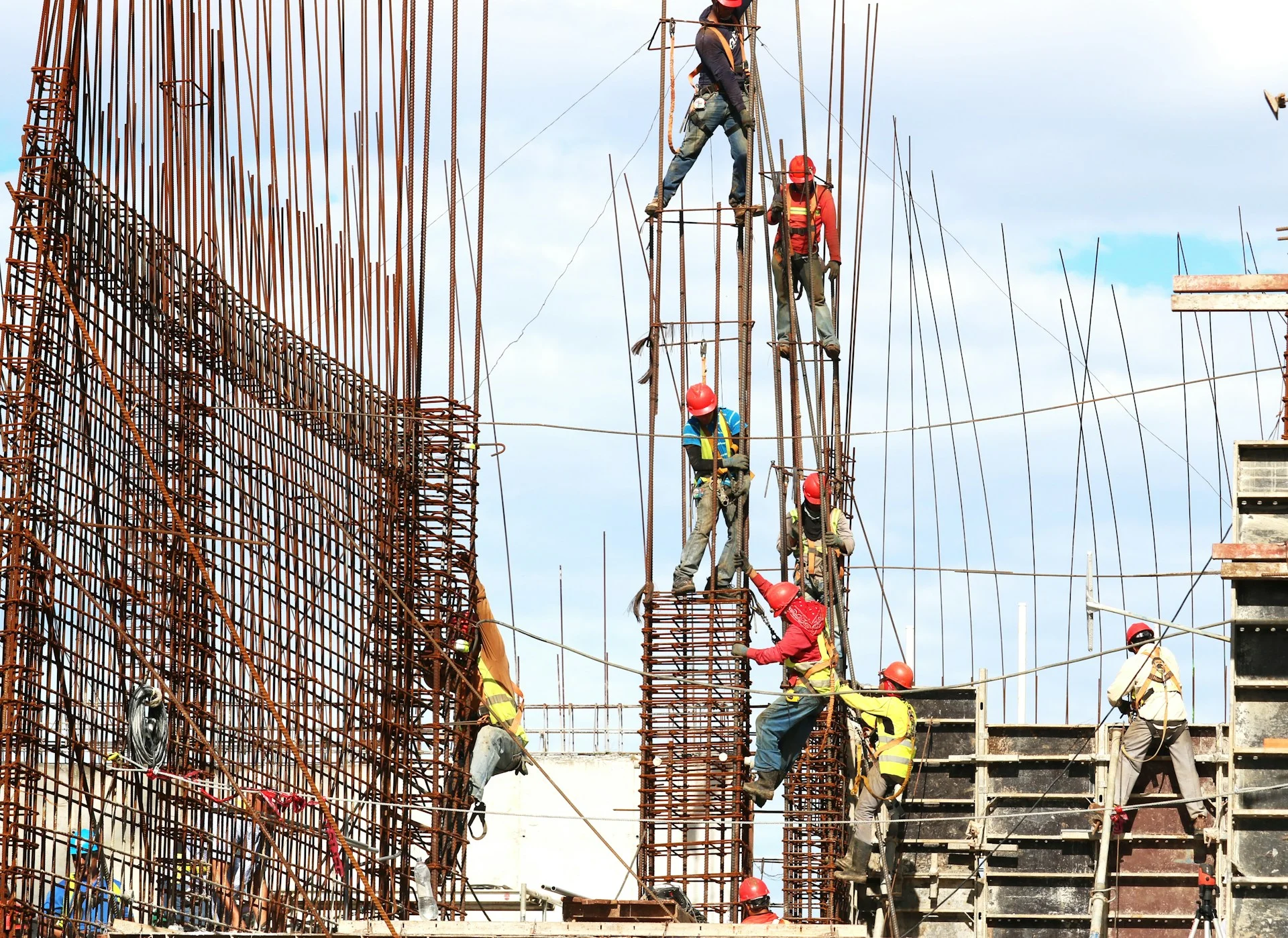
Falls are the leading reason behind workplace injuries, even at low heights. Safety nets, guardrails, safety harnesses, and fall protection kits are necessary for preventing this hazard.
- Hazard Communication (1910.1200) – 2546 citations
A lack of awareness of hazardous chemicals often leads to workplace injuries. Proper signs and labels can essentially prevent this. You must communicate the same to employees and offer training programs on how they can maintain safety data sheets and warning labels.
- Ladders (1926.1053) – 2405 citations
Ladders aren’t always used safely in workplaces, especially when they don’t extend by up to 3 feet minimum above the surface of the upper landing. To reduce associated dangers, ladders must feature grab rails and be affixed to a secure support.
- Lockout/Tagout (1910.147) – 2177 citations
This is one of those OSHA violations that occur when the hazardous aspects of machines and equipment aren’t adequately controlled through tagout/lockout procedures or devices. It can cause serious injuries to workers during maintenance or servicing. Hence, machines must be shut down, isolated, and secured properly.
- Respiratory Protection (1910.134) – 1953 citations
Dangerous airborne contaminants can trigger various respiratory issues in employees. Hence, conducting medical assessments and providing proper respirators and masks is mandatory.
- Fall Protection – Training Requirements (1926.503) – 1907 citations
Since falls are common across industries, employees must receive training on how to spot risks and follow procedures to minimize accidents. Lifelines, rope grabs, and anchorage connectors are also useful.
- Scaffolding (1926.451) – 1905 citations
Improper scaffolding often leads to severe falls and injuries. So, they should be designed, built, inspected, and maintained as per OSHA regulations. Personal fall arrest and guardrail systems might be necessary.
- Powered Industrial Trucks (1910.178) – 1826 citations
Unsafe operations of industrial vehicles and forklifts lead to major accidents. Hence, make sure vehicle operators are trained as per OSHA requirements and evaluated. You must use security mirrors and traffic cones as well.
- Eye and Face Protection (1926.102) – 1665 citations
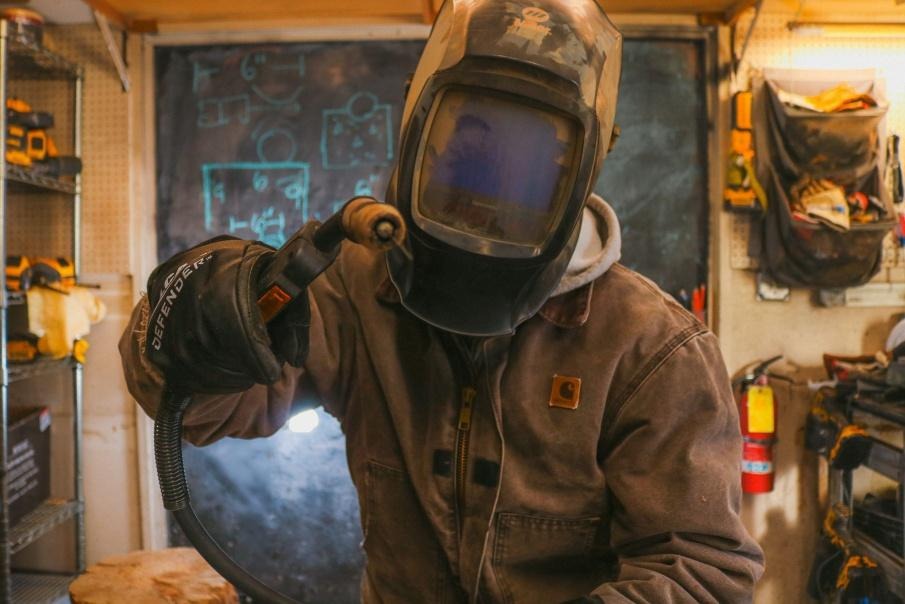
Without proper protective gear for the eyes and face, workers are exposed to harsh chemicals, flying debris, harmful gases, and radiation. Hence, ensure the use of face shields, safety glasses, and goggles.
- Machine Guarding (1910.212) – 1239 citations
Without proper protection, employees face injury risk when working near machines that generate sparks, chips, sprays, or have rotating motions paired with shear points. Hence, wire cages, partitions, and other guard hardware are required.
OSHA Workplace Safety Violations 2026: Why Do They Matter?
The annual list of OSHA violations serves as proof that certain hazards persist despite precautions, training, and regulations. And as an employer, ignoring it can hurt you:
- Financially: Citations can lead to hefty fines. Moreover, serious or repeated incidents might invite lawsuits or large workers’ compensation claims. Sending injured workers to the emergency room (ER) or paying for hospitalization and rehabilitation can be highly expensive.
- Reputation-wise: When you violate OSHA standards, employees, customers, partners, and investors tend to lose trust in you. Consequently, the company’s reputation suffers.
- Operationally: Grave incidents or major citations can interrupt work and delay projects. Hence, the workplace productivity and efficiency are impacted.
Also note that in 2026, OSHA enforcement budgets were enhanced, and the penalty caps were adjusted for inflation. Worker safety is receiving greater regulatory attention as well. So, if you see the same violations appearing on the list every year, a systemic change might be essential.
Also Read: Tips for Preventing Fire in Your Workplace
Road to Stronger Safety: Action Steps for Employers
Based on the OSHA violations 2026 list, here are some steps you can take to improve workplace safety:
Our injury prevention program addresses several of these directly, helping employers identify workplace hazards, improve employee safety training, strengthen preventive measures, and reduce the risk of common OSHA violations. By focusing on areas such as fall protection, machine safety, hazard communication, PPE compliance, and employee preparedness, a structured injury prevention program can support a safer workplace while helping organizations maintain OSHA compliance.
- Audit Hazards Based on the 10 Standards
For each of the 10 standards violated this year, ask if:
- Necessary controls (lockout processes, guardrails, etc.) are in place
- Gaps were revealed by recent incidents or inspections
- Employees are appropriately trained and tested
- Make Training and Refresher Programs a Priority
Gaps in training often trigger common violations. Hence, conduct refresher programs periodically. Also, get frontline supervisors to make a note if workers deviate from predefined safety processes.
- Engage and Empower Employees
With the 10 violated standards in mind, ask supervisors to check scaffolds, ladders, machine guards, personal protective equipment, etc. Encourage frontline workers to voice safety concerns or share observations regarding potential risks.
- Adopt a Preventive Stance
Track shift check-ins, near-miss incidents, trainings, and maintenance logs for equipment, so you can spot any potential for violation before ending up with a citation.
- Document Policies and Processes
Ensure safety protocols related to the 10 violated standards are well documented. This way, when OSHA inspectors visit, they will see that you are willing and prepared to comply.
- Monitor High-Risk Machines
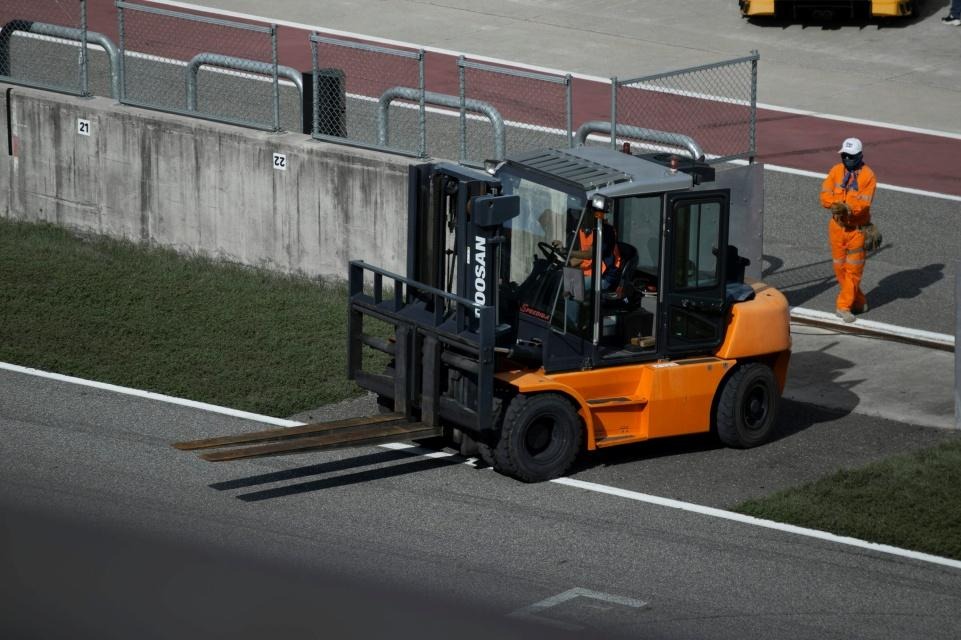
For dynamic equipment, take care to adhere to OSHA’s standards for machine guarding, powered industrial trucks, etc. Conduct regular inspections and review maintenance and usage logs to ensure high-risk machines are in good shape and satisfy safety specifications.
- Pay Attention to New Hires
Impart adequate safety training to new hires and familiarize them with the job site. Make sure they understand how to comply with the top 10 standards from the first day. This means they should be careful about falls, hazardous chemicals, high-risk equipment, ladders, etc.
- Leverage Technology for Compliance
Wearables, smart devices, mobile apps for inspection, and digital checklists are some technologies you can use to ensure ladder safety, fall protection, proper PPE usage, etc.
Also Read: The Top 10 Workplace Safety Tips for 2025
Conclusion
The OSHA violations listed in 2026 and subsequent years will serve as a roadmap for bettering your processes, safety measures, and compliance. In other words, you must focus your efforts on the areas of maximum risk to keep financial, operational, and reputational risks at bay.
From auditing hazards regularly and empowering employees to documenting safety policies and leveraging technology, you can do much to align your safety strategy with OSHA’s priorities.
Consider WorkPartners USA for Stronger Safety and Efficient Emergency Management
At WorkPartners, we offer tailored workplace safety suggestions to help you prevent OSHA citations. Also, with our post-offer employment testing (POET) service, you can assess whether new hires are up to the task so you can avoid common accidents.
And since emergencies can still happen, we have licensed occupational MDs available 24/7 to treat injuries remotely with first-aid instructions and prescriptions. Hence, you minimize ER visits and keep OSHA recordables low.
Interested to know more? Get in touch. For handling injuries, we are easy to reach on (800) 359-5020. If you require other consultations, connect via (651) 323-8654 or info@workpartnersusa.com.
FAQs
Q1. Which OSHA standard is the most commonly cited violation?
Ans. Fall protection is the standard most commonly violated across many industries. It can be easily prevented with safety harnesses, nets, guardrails, etc.
Q2. What is the most common unsafe act in the workplace?
Ans. Not taking enough care or precaution while working at heights is the most common unsafe act. It often leads to falls, causing severe injuries or even fatalities.
Q3. What are the new OSHA laws for 2026?
Ans. This year, new OSHA laws include increased penalties for violations, PPE fit requirements for construction workers, and a focus on protection against heat-related hazards, among others.