TL;DR
- Slip, trip, and fall incidents are among the most common workplace injuries, but they’re preventable with the right approach.
- Common causes include:
- wet surfaces
- cluttered walkways
- poor lighting
- uneven floors
- incorrect footwear
- working at heights
- Prevention strategies we usually recommend after nearly 20 years in our industry:
- regular inspections
- good housekeeping
- floor safety improvements
- proper lighting
- seasonal preparation
- consistent employee training
- Even with strong prevention in place, having a reliable injury management partner matters when incidents do occur.
Protect Your Employees at Work
It’s concerning to us that in Minnesota alone, falls, trips, and slips accounted for 24% (per the U.S. Bureau of Labor Statistics) of workplace fatalities in recent years. Nationally, they remain one of the leading causes of serious occupational injury across almost every industry.
Since 2007, our team at WorkPartners USA has seen the consequences of these incidents play out consistently across workplaces throughout Minnesota and the broader Midwest. While we work to empower workplaces with medical case management services, prevention remains just as important. Let’s talk about why workplace slip, trip, and fall prevention at work is so critical.
The True Cost of Slip, Trip, and Fall Accidents in the Workplace
The costs of slip, trip, and fall cases unfortunately extend beyond sprains, back and shoulder injuries, fractures, head trauma, and low employee confidence.
When a slip, trip, or fall occurs, employers typically face:
- Medical expenses for the injured worker
- Workers’ compensation claims driven by lengthy recovery-related absences
- Decreased productivity and increased pressure on remaining staff
- Higher insurance premiums following repeated incidents
- Overtime costs to cover absent workers
- Time spent on investigations, OSHA reporting, and RTW planning
You need to adopt workplace safety strategies to prevent slips, trips, and falls in the first place.
What Triggers Slips, Trips, and Falls at the Workplace?
Before venturing into the hacks for slip, trip, and fall prevention at work, let’s understand why such incidents crop up:
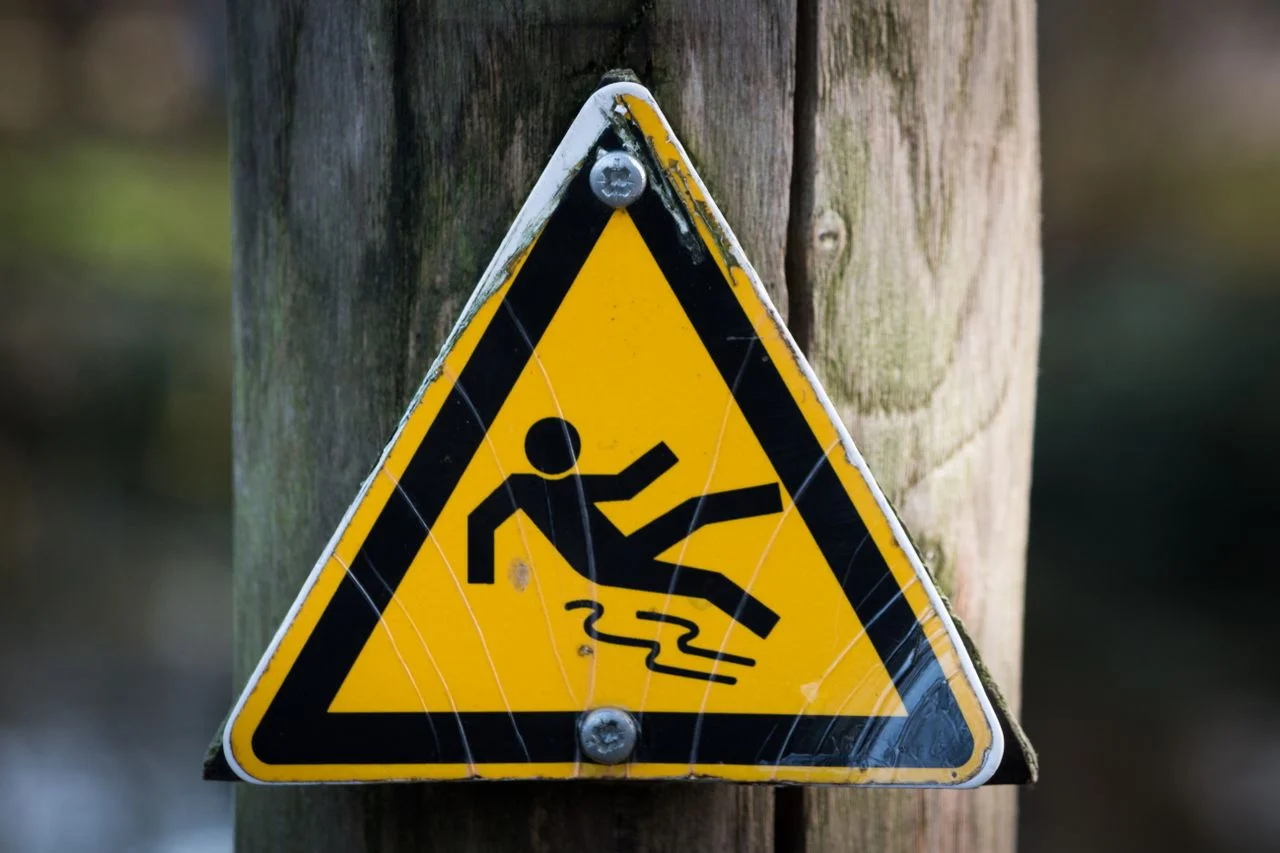
Of course, before we talk strategy, you need to conduct a root cause analysis. Here are the most common contributors to these injuries at workplaces:
| Cause | Common Examples |
| Slippery or wet surfaces | Freshly mopped floors, spills, leaks, rainwater tracked indoors, icy walkways |
| Cluttered walkways | Tools, equipment, cords, boxes, and debris left on pedestrian paths |
| Inadequate lighting | Poor visibility in warehouses, stairwells, and parking areas |
| Uneven walking surfaces | Loose carpeting, cracked pavements, damaged flooring |
| Improper footwear | Shoes without adequate grip or ankle support for the work environment |
| Working at heights | Incorrectly positioned ladders, weak harnesses, or improperly set scaffolds |
In Minnesota, our team often deals with a whole host of seasonal risks. You need to keep an eye out for slippery surfaces caused by winter ice and implement countermeasures for heat exhaustion. Every month creates hazards that require specific, proactive responses.
What Are the Most Effective Slip and Fall Safety Tips for Workplaces?
For effective slip, trip, and fall prevention at work, you should detect hazards before they lead to incidents. Here’s how:
Regular Safety Inspections
Inspecting worksites on a regular basis is the most reliable way to catch hazards before they result in injuries. Focus on:
- Stairways and walking surfaces
- Entryways and exits
- Workstations and storage areas
- Parking lots and exterior pathways
- Scaffolding, ladders, and harnesses where working at heights is involved
WorkPartners Pro Tip: Every identified issue should be corrected, completed, and documented. An undocumented fix is a fix that cannot be verified during an audit.
Good Housekeeping Practices
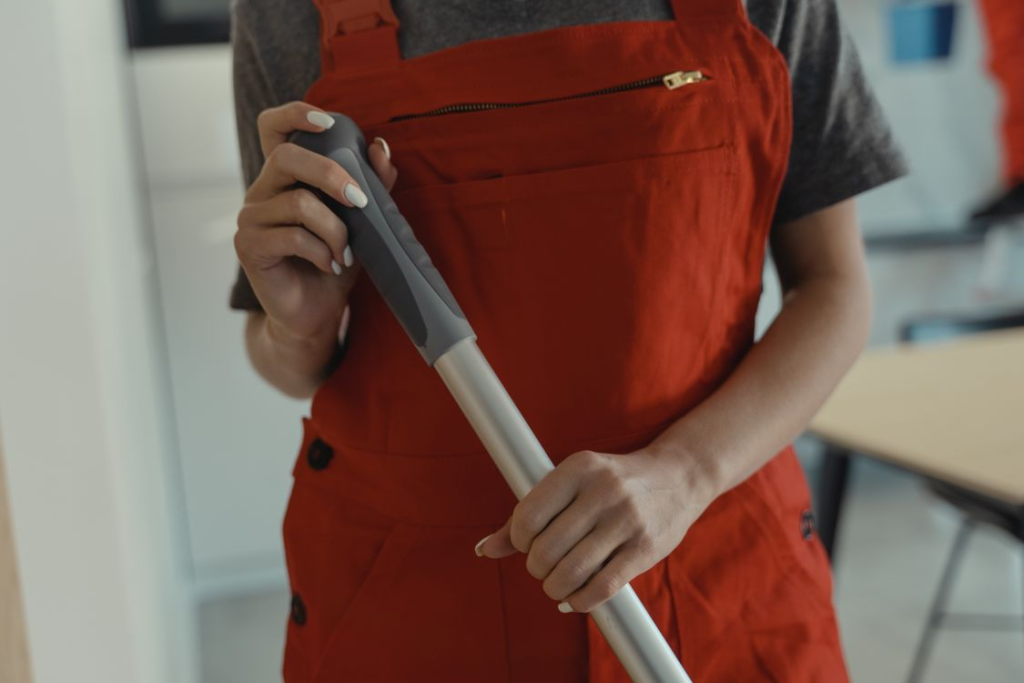
Good housekeeping contributes more than you think towards slip, trip, and fall prevention. Ensure that:
- Spills are promptly cleaned up
- Walkways are always clear
- Cables and cords are secured
- Storage areas are organized
- Debris is removed without delay
Better Floor Safety
It should go without saying at this point, but your floor is a big target area to address these injuries. Flooring conditions should be evaluated regularly. Practical measures include:
- Anti-slip mats at high-risk zones, such as entrances
- Slip-resistant flooring in areas prone to moisture
- Non-slip coatings applied to particularly hazardous surfaces
- Prompt repair of damaged, uneven, or deteriorating floor surfaces
Snow and ice at building entrances during Minnesota’s winter months deserve specific protocols rather than ad hoc responses.
Proper Lighting
This is one of the smartest workplace safety strategies since ample visibility helps workers spot and avert hazards. Focus on:
- Prompt replacement of burned-out bulbs across all areas
- Enhanced lighting in stairwells, hallways, and walkways
- Well-lit parking lots and exterior pathways
- Task lighting in areas where detailed or close-proximity work happens
Preparation against Seasonal Hazards
Minnesota weather can be extreme, with summers getting noticeably hot and winters chilly. You need to develop procedures that can tackle the following seasonal fall risks:
| Season | Key Hazards to Address |
| Winter | Icy surfaces, high winds, tracked-in moisture, hypothermia, frostbite |
| Summer | Heat exhaustion, dizziness, excessive sweating, cramping affecting coordination |
| Rainy periods | Wet and slippery surfaces, flooding near entrances, poor visibility |
Effective Employee Training
Here’s the thing about slip, trip, and fall prevention at work. Unless your employees have sufficient hazard awareness and training, even advanced physical controls can be unsuccessful. Hence, training programs must enable workers to:
- Recognize possible hazards
- Walk safely (like walk instead of run, use handrails on stairs, follow designated routes, avoid carrying anything that blocks visibility)
- Immediately report conditions that are unsafe (such as spills, uneven surfaces)
- Use proper footwear, personal protective equipment (PPE), and safety gear
- Follow the right procedures during emergencies
What Are the Best Practices for Ongoing Fall Prevention?
Adopting the following can help keep the incidence of slips, trips, and falls at bay:
Clear Procedures for Reporting
Employees must have no doubt about where and how to report risks. It allows safety personnel to address problems swiftly before injuries can happen.
Analysis of Incident Trends
To spot recurring problems, review incident reports and track incident locations, times, injury types, and root causes. You can design targeted efforts for fall prevention at work this way.
Safety Culture Promotion
Encourage all employees (as well as leaders!) to participate in safety discussions and initiatives. Make sure workers aren’t afraid to suggest improvements, report dangers, or stop carrying out unsafe tasks.
Technological Edge
Leveraging futuristic technologies helps you analyze incident trends better, respond faster to emerging hazards, and monitor compliance closely. Consider:
- Digital tools for inspection
- Apps for reporting incidents
- Platforms for predictive analytics
- Hazard detection systems powered by AI
- Wearable safety devices
Also Read: Top Medical Case Management Companies | Expert Case Management Services
Are Falls Still Occurring at Your Worksite, Despite Precautions?
No prevention strategy, no matter how robust and consistent, is flawless. When something does happen, the speed and quality of the initial response determine how the situation develops from that point.
Our physician-led team at WorkPartners USA is available around the clock to assess injuries remotely, determine the right level of care, and guide the response from the moment of the incident through recovery and return to work. We keep up to 90% of appropriate cases within first aid, which means fewer unnecessary ER visits, fewer OSHA recordables, and lower workers’ compensation costs for the employers we work with across Minnesota and the Midwest.
Always remember: A strong prevention program and a reliable injury management partner are not alternatives. They work best together.
Also Read: The Role of Medical Case Management in Workplace Injury Recovery
Conclusion
Slips, trips, and falls are common and yet easily preventable. If you’ve not already, you must integrate the slip-and-fall safety tips and best practices into everyday operations. By identifying hazards early on and resolving them immediately, you can create safer environments where workers are productive and feel confident.
Join Hands with WorkPartners USA for a Safer Workplace
Our licensed occupational medicine physicians in Minnesota are available around the clock to assess workplace injuries and guide the next steps in care. Because triage is conducted by physicians, workers can receive prescriptions and clinical guidance during the initial assessment when appropriate, helping accelerate care and streamline case management.
Beyond managing minor injuries onsite, our physicians monitor recovery progress, support a safe and timely return to work (RTW), and provide prevention guidance to reduce the likelihood of future incidents.
For one-on-one consultation, contact us.
Call us: (651) 323-8654
Or just write to info@workpartnersusa.com.
FAQs
Fall injuries might become OSHA recordables if they require treatment beyond first aid.
Construction, food service, healthcare, and food service industries are most prone to slip and fall incidents.
Frequent fall incidents hike up insurance premiums because providers deem your workplace as high-risk.
Slip, trip, and fall injuries affect your business reputation because clients, investors, partners, and employees lose confidence in your workplace’s safety and compliance system. They either want to avert legal hassles or feel disengaged.
Depending on the industry, you can prevent summer fall-related workplace injuries by training workers and encouraging them to stay hydrated, take breaks, and use the right gear. Wearable devices can also detect fatigue, heart rate, and other important parameters.